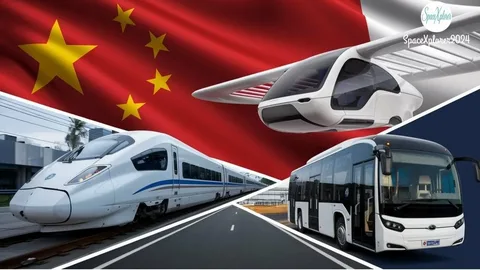
How modern transport works.
Modern transport is a complex system that combines advanced technologies, innovative logistics, and sustainable practices to ensure efficient, safe, and environmentally friendly movement of people and goods. The evolution of transport is driven by the need to solve traditional problems such as congestion, pollution, and inefficiency, as well as to meet the growing demands of a globalized economy.
▌ Key Components and Technologies
Electric and Hybrid Vehicles
The development of battery technology has made electric and hybrid cars increasingly popular. These vehicles reduce emissions and dependence on fossil fuels, contributing to cleaner urban environments. Major automakers are investing in new models with greater range and performance.
Autonomous and Connected Vehicles
Self-driving cars, powered by artificial intelligence and a network of sensors, promise to enhance safety and efficiency by minimizing human error. Companies like Tesla, Google, and Uber are at the forefront of testing and deploying autonomous transport solutions.
Smart Infrastructure and IoT
Modern cities integrate transport with information systems through the Internet of Things (IoT). Smart traffic lights, sensors, and real-time data analysis help optimize traffic flow, reduce congestion, and improve safety. Some projects even explore dynamic charging roads for electric vehicles.
Advanced Logistics and Supply Chain Management
The use of cloud computing, AI, and machine learning allows companies to track shipments, predict demand, and optimize routes. Automated guided vehicles (AGVs) and warehouse management systems (WMS) streamline the movement and storage of goods, reducing costs and environmental impact.
Emerging Transport Modes
Innovations such as drones, flying taxis, and hyperloop systems are being developed to provide new options for urban and long-distance travel. These technologies aim to further reduce travel time and open up new possibilities for mobility.
▌ The Role of Digitalization
Digital platforms and big data analytics are transforming transport logistics. Companies use integrated fleet management systems, RFID tracking, and supply chain software to enhance transparency, efficiency, and customer service. The rise of e-commerce and on-demand delivery services accelerates the adoption of these technologies.
▌ Challenges and Future Outlook
While modern transport offers many benefits, it also presents challenges related to cybersecurity, data privacy, regulation, and infrastructure investment. The future of transport will likely be shaped by continued technological innovation, collaboration between public and private sectors, and a focus on sustainability.
In summary, modern transport works through the synergy of electrification, automation, digitalization, and smart infrastructure. These elements together create a more efficient, safe, and sustainable system for moving people and goods in the 21st century.