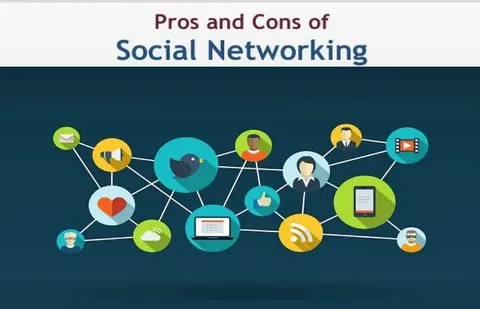
How social networks work.
Social networks are online platforms that allow people and organizations to connect, communicate, share information, and build relationships. Here's how they work:
- User Profiles
Each user creates a personal or professional profile with information like name, photo, interests, and contact details.
Profiles can be public or private, depending on the platform and user settings.
- Connections
Users establish connections by sending and accepting friend requests, following others, or joining groups.
Algorithms often suggest new connections based on mutual friends, interests, or location.
- Content Sharing
Users can post text, photos, videos, links, and other media to their profiles or in groups.
Others can view, like, comment on, or share this content.
- Interaction
Social networks enable real-time communication through messages, comments, and reactions.
Many platforms support live streaming, audio chats, and video calls.
- News Feeds
A personalized feed shows updates from friends, followed pages, and recommended content.
Algorithms determine what appears in your feed based on your activity and preferences.
- Groups and Communities
Users can join or create groups based on shared interests, hobbies, professions, or locations.
Groups facilitate discussions, events, and content sharing among members.
- Business and Advertising
Companies use social networks for marketing, customer engagement, and brand building.
Targeted advertising is based on user data: interests, behavior, demographics.
- Analytics
Users and businesses can track the reach and engagement of their posts (likes, shares, views).
Platforms provide insights into audience demographics and activity.
- Privacy and Security
Users control who sees their content through privacy settings.
Networks store large amounts of personal data, making security a major concern.
- Mobile Access
Most social networks are accessible via apps on smartphones and tablets.
Push notifications keep users updated on interactions and new content.
Examples of Popular Social Networks:
Platform Main Focus
Facebook Social connections, news sharing
Instagram Photo/video sharing
X (Twitter) Short messages, news
LinkedIn Professional networking
TikTok Short videos
YouTube Video sharing
WhatsApp Messaging
Reddit Forums and discussions
How It Works Technically:
Social networks rely on databases, algorithms, and cloud infrastructure to store and process user data.
Machine learning is used for content recommendations, ad targeting, and security.
Purpose of Social Networking:
Staying in touch with friends and family
Building professional contacts
Sharing knowledge and creativity
Marketing and business growth
Entertainment and community building
Advantages:
✅ Global reach
✅ Instant communication
✅ Business opportunities
✅ Access to information
Disadvantages: Privacy risks Spread of misinformation Cyberbullying Time consumption
Social networks have transformed how we interact, work, and entertain ourselves in the digital age.